
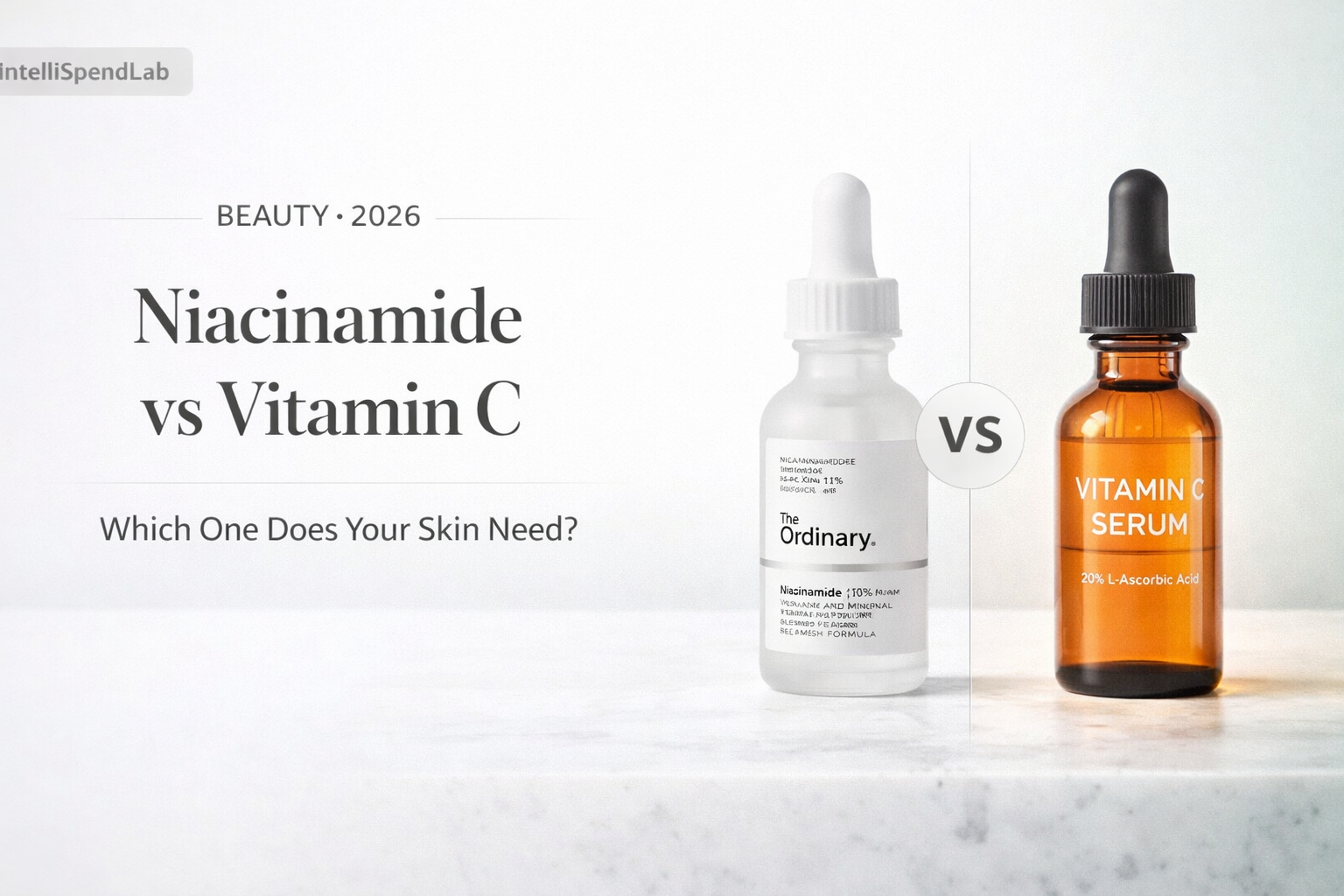
Niacinamide vs Vitamin C: Which Serum Does Your Skin Actually Need? (A No-Hype Guide)
Last updated: April 2026 | Category: Beauty
Two serums dominate every skincare conversation in 2026. Every dermatologist recommends one or both. Every beauty editor has an opinion. Half the internet says you can’t use them together. The other half says you should.
Let’s cut through the noise.
This isn’t a listicle of products. This is a genuine breakdown of what these ingredients do, who actually benefits from each one, and how to build a routine that works — not one that just sounds impressive.
What Niacinamide Actually Does
Niacinamide (vitamin B3) is arguably the most versatile skincare ingredient available without a prescription. It works on multiple pathways simultaneously:
- Pore appearance: Reduces the look of enlarged pores by regulating sebum production
- Uneven tone: Inhibits the transfer of pigment to skin cells, fading dark spots and post-acne marks
- Barrier function: Increases ceramide production, strengthening the skin’s outer layer
- Redness and sensitivity: Anti-inflammatory properties calm reactive skin
- Fine lines: Modest but real anti-aging effects at concentrations above 5%
Niacinamide is a water-soluble vitamin that addresses a range of concerns including acne, hyperpigmentation, and signs of aging. Because serums are designed to be highly concentrated and faster absorbing than moisturizers, they allow the active ingredient to penetrate more deeply. TODAY.com
The right concentration matters. Studies show concentrations as low as 5% can be effective for improving skin texture and discoloration. Many serums contain 10%, which is better for more stubborn concerns — but higher concentrations can cause irritation for sensitive skin, so it’s best to start lower. Live Tinted
Who needs niacinamide most: Oily or acne-prone skin, visible pores, uneven tone, sensitive skin that can’t tolerate stronger actives.
What Vitamin C Actually Does
Vitamin C (ascorbic acid and its derivatives) is the gold standard for brightening and environmental protection. Its primary actions:
- Brightening: Inhibits tyrosinase, the enzyme that produces pigment — the most direct route to a luminous complexion
- Antioxidant defense: Neutralizes free radicals from UV exposure and pollution before they damage skin cells
- Collagen synthesis: Vitamin C is essential for collagen production — topical application directly supports structural skin health
- Dark spot correction: Accelerates fading of hyperpigmentation, melasma, and sun damage
The challenge with vitamin C is formulation. Vitamin C is a diva — it hates light, hates air, and hates high pH. But when you find the best formulation, it’s the single most effective tool for collagen production and neutralizing environmental damage. Ningcos
L-Ascorbic acid (LAA) is the most potent form but also the most unstable — it oxidizes quickly, turning orange or yellow in the bottle. Stabilized derivatives like Sodium Ascorbyl Phosphate (SAP) and Ethyl Ascorbic Acid are gentler and more shelf-stable, though slightly less potent.
Who needs vitamin C most: Sun-damaged skin, dull complexion, hyperpigmentation, preventive anti-aging for people in their 20s and 30s.
Can You Use Them Together?
Yes. The internet drama here is largely outdated.
Niacinamide plays well with other ingredients. Rather than using them at the same time, you can use niacinamide in the morning and vitamin C at night, or apply niacinamide first, let it absorb fully, then apply vitamin C to minimize any potential interaction. Hwahae
The concern that niacinamide and vitamin C cancel each other out comes from a 1960s study using non-skincare-grade concentrations. In real-world skincare formulations, the interaction is negligible. Many effective products now combine both in a single serum.
The practical approach: niacinamide AM (it pairs beautifully with SPF), vitamin C PM (more stable overnight, away from UV exposure).
The 5 Best Serums on Amazon (Picked for Real Skin Types)
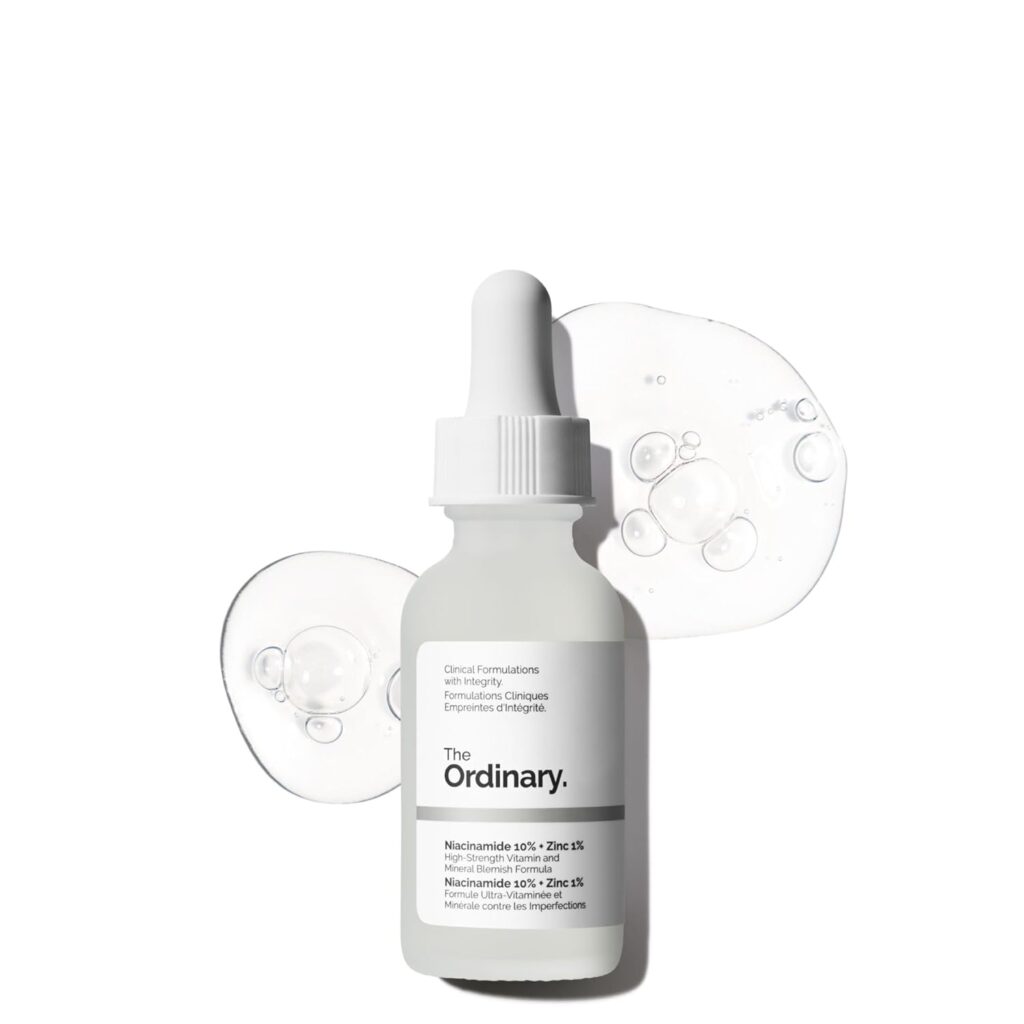
1. The Ordinary Niacinamide 10% + Zinc 1% | ⭐ 4.4 (80,000+ reviews)
Best for: Oily, acne-prone, large pores
The benchmark niacinamide serum. 10% niacinamide paired with Zinc PCA specifically to regulate sebum production. Water-based, lightweight, absorbs in seconds. Works under moisturizer and SPF without pilling.
This affordable serum helps address acne and controls oil. The water-based serum brightens skin tone and regulates sebum — it doesn’t contain alcohol, parabens, silicone, or sulfates. TODAY.com
At $7, it’s genuinely one of the best-value skincare products on Amazon. Noticeable results in pore appearance and oiliness typically within 4 weeks of consistent use.
2. TruSkin Vitamin C Super Serum — $20 | ⭐ 4.4 (35,000+ reviews)
Best for: Dull skin, dark spots, all-in-one routine
Combines Vitamin C (Sodium Ascorbyl Phosphate — the stable form), Retinol, Niacinamide, Hyaluronic Acid, and Squalane in one formula. The “five benefits in one” positioning is actually accurate — each ingredient serves a distinct function.
SAP is less irritating than L-Ascorbic acid, making this suitable for people who’ve had sensitivity issues with other vitamin C serums. The retinol content is low enough to be used daily without the purging period of stronger retinoids.
The combination format is ideal for people who want a streamlined morning routine without layering four separate serums.
👉 Check price on Amazon (affiliate link)
3. Paula’s Choice 10% Niacinamide Booster — $44 | ⭐ 4.5 (8,000+ reviews)
Best for: Sensitive skin, barrier repair, multi-tasking
Paula’s Choice is the gold standard for ingredient transparency — every formula is backed by published research, and the brand is explicit about what each ingredient does and at what concentration.
The 10% Niacinamide Booster is designed to be mixed into your existing moisturizer or used alone. Fragrance-free, non-comedogenic, and tested on sensitive skin. Particularly effective for anyone dealing with redness, reactive skin, or a compromised barrier from over-exfoliation.
Best for: Anyone rebuilding a damaged skin barrier, or sensitive skin types that haven’t been able to tolerate other actives.
👉 Check price on Amazon (affiliate link)
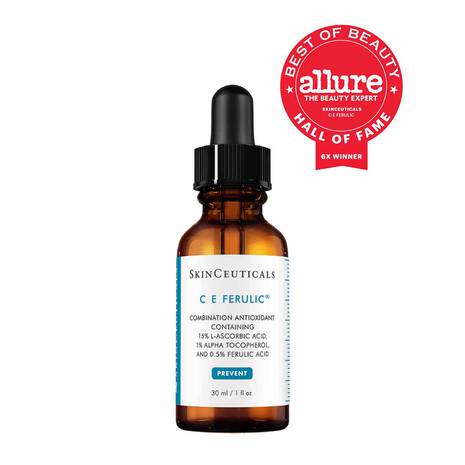
4. SkinCeuticals C E Ferulic | ⭐ 4.4 (5,000+ reviews)
Best for: Serious anti-aging, maximum brightening
This serum uses a patented 15% pure vitamin C (L-Ascorbic acid), 1% vitamin E, and 0.5% ferulic acid. The ferulic acid and vitamin E act as stabilizers, making the Vitamin C more potent. If you want a vitamin C product with clinical data that leaves skin protected against atmospheric aging, this is the one. It brightens and evens skin tone better than almost anything. Ningcos
The price is hard to justify until you understand what you’re paying for: clinical-grade L-Ascorbic acid at a concentration that actually moves the needle on collagen production. Every other vitamin C serum at this price point is benchmarked against it.
The “hot dog water” smell is real — that’s oxidized ascorbic acid, and it’s normal. Does not mean the product has gone bad.
Best for: People over 35 focused on prevention and brightening who can commit to the cost.
👉 Check price on official Website
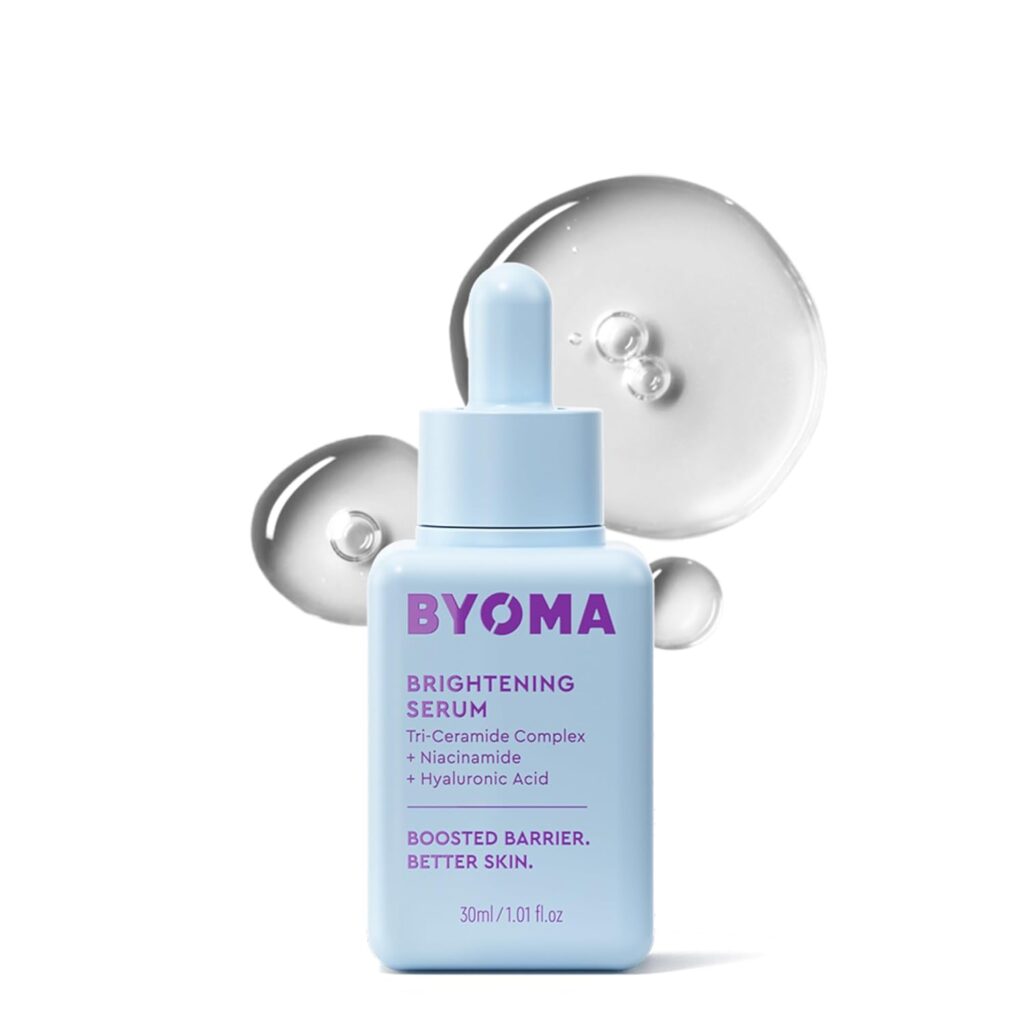
5. BYOMA Brightening Serum | ⭐ 4.3 (6,000+ reviews)
Best for: Beginners, dry skin, barrier-focused brightening
This serum combines niacinamide with humectants and emollients to enhance the B vitamin’s hydrating, glow-boosting effects. Made with a tri-ceramide complex, it’s unscented, vegan, and cruelty-free. TODAY.com
BYOMA’s approach is barrier-first — ceramides, cholesterol, and fatty acids alongside the niacinamide create a formula that brightens without stripping. Particularly good for dry or dehydrated skin types who find most brightening serums too harsh.
Best for: Skincare beginners, dry skin types, or anyone who wants a gentle introduction to active ingredients.
Building Your Routine: The Practical Framework
If you’re in your 20s and just starting: Morning: BYOMA or Ordinary Niacinamide → Moisturizer → SPF Evening: TruSkin Vitamin C Super Serum → Moisturizer
If you’re targeting dark spots or uneven tone: Morning: Ordinary Niacinamide → SPF Evening: SkinCeuticals C E Ferulic (or TruSkin) → CeraVe Moisturizer
If you have oily/acne-prone skin: Morning: Ordinary Niacinamide + Zinc → SPF Evening: Paula’s Choice Niacinamide Booster mixed into moisturizer
The non-negotiable rule: Whatever serums you use, SPF during the day is mandatory. Vitamin C and niacinamide both work harder when UV damage isn’t constantly undoing the progress.
Final Verdict
In 2026, consumers are moving away from chasing the next viral ingredient and toward building skin health that lasts — asking “Will this actually work long-term?” rather than “Will this give me instant results?” Beauty Independent
Niacinamide or vitamin C isn’t really the question. The question is: what is your skin actually struggling with?
Oily, congested, uneven? Start with niacinamide. Dull, sun-damaged, collagen-focused? Start with vitamin C. Both concerns? Use both — just not at the same moment.
The best serum is the one you’ll actually use consistently for 8+ weeks to see real results. Start simple.
Related reads:





One Comment